

The Four Types of Writer Emotional Intelligence (And Why Yours Matters)
Understanding how different writers naturally access and craft emotions—and why there’s no “best” type.
The Mystery of Emotional Writing
Why do some writers effortlessly create scenes that make readers cry, while others struggle to make emotions feel real on the page? Why does the same craft advice work brilliantly for one writer but leave another feeling more confused than before?
After years of research into emotions and creativity, I’ve discovered the answer lies in something rarely discussed in writing circles: how writers naturally process emotions for storytelling.
Every writer has a unique emotional processing profile that determines how they access feelings, translate inner experience into narrative, and craft scenes that move readers. Understanding your profile doesn’t limit you—it reveals your natural strengths and provides a clear roadmap for developing authentic emotional storytelling abilities that resonate with readers.
The Two Core Dimensions
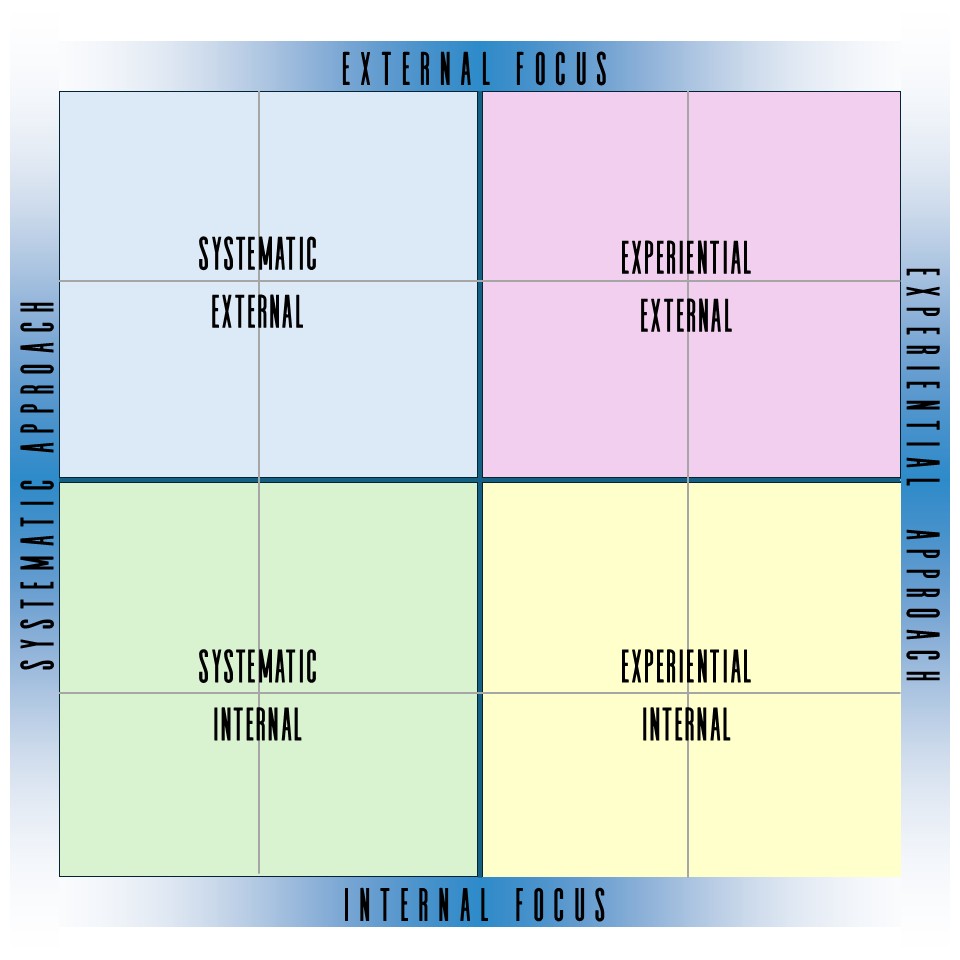
Writer emotional processing patterns emerge from two fundamental dimensions:
Systematic vs. Experiential Approach: Do you understand emotions through organized frameworks and proven techniques, or do you trust intuitive responses and feel your way into emotional truth?
Internal vs. External Focus: Do you mine your own psychological experiences and inner emotional territories, or do you observe relationships, social dynamics, and craft for reader impact?
These dimensions create four distinct quadrants, each containing multiple archetype variations that represent different intensities and combinations of these approaches.
Want to discover your unique emotional processing profile? The Writers Emotional Compass (WEC) Assessment maps your exact position across these dimensions and provides personalized development recommendations based on your specific archetype.
The Four Core Quadrants
Systematic-Internal Writers: The Emotional Architects
These writers employ methodical approaches to explore their own psychological landscapes. They build structured frameworks for understanding inner experience and transform personal insights through careful analysis and organized exploration.
Natural Strengths:
- Creating multilayered narratives with deep symbolic meaning
- Developing complex characters with believable psychological depth
- Building thematic coherence across long works
- Transforming personal insights into universal human understanding
Growth Areas: These writers benefit from developing stronger connections to external reader needs and practicing more spontaneous emotional expression that breaks through analytical habits.
Systematic-External Writers: The Experience Engineers
These writers employ organized, methodical techniques to craft specific reader experiences. They understand emotions through frameworks and can reliably reproduce impact using proven techniques, focusing on external connection and communication.
Natural Strengths:
- Creating engaging, accessible narratives with clear reader appeal
- Building systematic frameworks that illuminate social dynamics
- Developing consistent, believable character interactions
- Designing stories that effectively communicate complex ideas
Growth Areas: These writers benefit from developing deeper connections to personal emotional truth and practicing more intuitive creative processes that move beyond technique into authentic feeling.
Experiential-External Writers: The Authentic Connectors
These writers trust emotional instincts and intuitive responses while focusing on relationships, social observation, and genuine reader connection. They feel their way into understanding what creates authentic human connection.
Natural Strengths:
- Creating emotionally resonant characters that feel genuinely alive
- Writing authentic dialogue and realistic relationship dynamics
- Generating surprise and spontaneity that keeps readers engaged
- Building genuine emotional connections between characters and readers
Growth Areas: These writers benefit from developing more systematic approaches that create consistency across longer works and frameworks for building complex character arcs that sustain emotional depth.
Experiential-Internal Writers: The Truth Excavators
These writers trust emotional instincts to explore their own psychological and emotional landscapes. They feel their way through inner experience, allowing understanding to emerge organically through lived experience and intuitive exploration.
Natural Strengths:
- Creating emotionally authentic characters with genuine psychological depth
- Capturing the complexity and contradiction of real human inner experience
- Writing that feels like direct emotional transmission
- Exploring themes of identity and transformation with authentic insight
Growth Areas: These writers benefit from developing techniques for translating personal truth into accessible reader experiences that bridge the gap between internal authenticity and external comprehension, plus building more systematic craft approaches that provide structure without sacrificing emotional honesty.
Why Processing Type Matters (And Why It Doesn’t)
Understanding your emotional processing type isn’t about limitation—it’s about recognizing your natural strengths and developing a complete skillset. Processing type matters for three critical reasons:
Your approach shows up differently under pressure. When deadlines loom or creative challenges arise, writers instinctively return to their natural processing style, sometimes abandoning developing skills under stress. Knowing your type helps you prepare strategies that work with your instincts rather than against them.
Writing advice assumes certain processing profiles. “Write what you know” works well for Internal-focused writers who mine personal experience, but may limit External-focused writers whose strength lies in crafting experiences beyond personal history through observation and social imagination.
Your feedback needs vary by processing type. Systematic writers often want analytical feedback that breaks down technique, while Experiential writers may need encouragement to trust their instinctive responses rather than second-guessing their intuition.
But here’s what processing type doesn’t determine:
- Quality of your writing: Excellence emerges from all four approaches when writers fully develop their natural strengths and complementary skills
- Genre limitations: Each type can succeed in any genre by developing complementary abilities that support their natural approach
- Fixed capabilities: Your type shows current strengths and reveals the most efficient path forward, not permanent limitations that restrict your potential
- Hierarchical value: No type is superior—each represents an equally valuable approach to emotional storytelling with distinct advantages
Developing Your Natural Strengths
If You’re Systematic-Internal
- Leverage your strengths: Build on your analytical and introspective abilities through continued framework development that deepens your understanding of psychological complexity
- Expand externally: Practice observing and writing about relationships and social dynamics beyond your internal landscape, studying how people interact in groups and respond to social pressures
- Add experiential elements: Experiment with trusting intuitive responses alongside your systematic approaches, allowing yourself to write scenes without pre-planning every emotional beat
- Integration focus: Translate your deep understanding into accessible reader experiences by testing whether your insights land emotionally with diverse audiences
If You’re Systematic-External
- Leverage your strengths: Deepen your systematic craft techniques and reader-impact abilities by studying what creates reliable emotional responses across different audiences
- Develop internal connection: Practice mining personal emotional experiences for authentic character development, even when the experiences feel uncomfortable or difficult to examine
- Embrace experiential moments: Allow for spontaneous creative discoveries within your systematic approach, giving yourself permission to follow unexpected emotional threads during drafting
- Integration focus: Add emotional authenticity to your proven structural techniques by ensuring characters’ feelings emerge from genuine psychological truth rather than plot requirements
If You’re Experiential-External
- Leverage your strengths: Trust and develop your natural emotional intuition and social observation abilities by studying real human interactions with deliberate attention to nuance
- Build systematic support: Develop reliable techniques that support rather than replace your natural flow, creating frameworks that catch consistency issues without dampening spontaneity
- Deepen internal exploration: Practice accessing and using personal emotional experiences in your work, recognizing when your own feelings can inform authentic character responses
- Integration focus: Add consistent frameworks that enhance your authentic connection abilities, particularly for tracking character development across longer narratives
If You’re Experiential-Internal
- Leverage your strengths: Continue developing your exceptional emotional authenticity and self-exploration abilities by pushing deeper into psychological territory that feels risky or vulnerable
- Expand external awareness: Practice crafting for reader impact and observing social dynamics, studying how your internal truths can bridge to universal reader experiences
- Add systematic structure: Develop organized approaches that support your intuitive insights without forcing your process into rigid templates that kill authenticity
- Integration focus: Find ways to make your personal emotional truth resonate with broader audiences by identifying which specific details translate universal feelings most effectively
The Path to Integration
While most writers show natural strength in certain processing approaches, the most versatile creators develop competence across all dimensions: systematic and experiential techniques, internal and external focus areas.
This doesn’t mean abandoning your natural strengths. Integration happens through deliberate practice that honors your core processing style while expanding your emotional storytelling toolkit.
A systematic writer might develop stronger experiential abilities for accessing authentic character feelings in the moment. An experiential writer might build systematic techniques for creating more complex story structures that sustain emotional arcs across hundreds of pages. Growth occurs by building complementary abilities that enhance rather than replace your natural approach.
Beyond Simple Categories
Real writers exist along continuums rather than in fixed categories. You might show strong systematic tendencies with moderate internal focus, or excellent experiential abilities with developing external awareness. Your specific profile creates a unique fingerprint that guides your personalized development path.
Understanding this profile—your current processing strengths, areas for growth, and how reliably you can access these abilities under different conditions—provides a roadmap for developing complete emotional storytelling abilities while honoring the natural approach that makes your voice authentically yours.
Because the goal isn’t to become a different type of writer. It’s to develop your emotional processing abilities fully while maintaining the natural style that creates your unique creative voice.
Want to discover your unique emotional processing profile? The Writers Emotional Compass (WEC) Assessment maps your exact position across these dimensions and provides personalized development recommendations based on your specific archetype.
Join the Newsletter
If you want steady, useful insights that help you work with emotion on and off the page, you can add your name below. You can unsubscribe at any time.